When Keir Starmer and Morgan McSweeney decided to put a series of Brexit red lines into the 2024 Labour election manifesto, many believed that the substantive debate on Britain’s involvement in the European Union had ended.
Essentially, it meant any so-called “Brexit resets” were to be limited to rather timid tweaks – if of mutual interest – to the dreadful deal that Boris Johnson had secured.
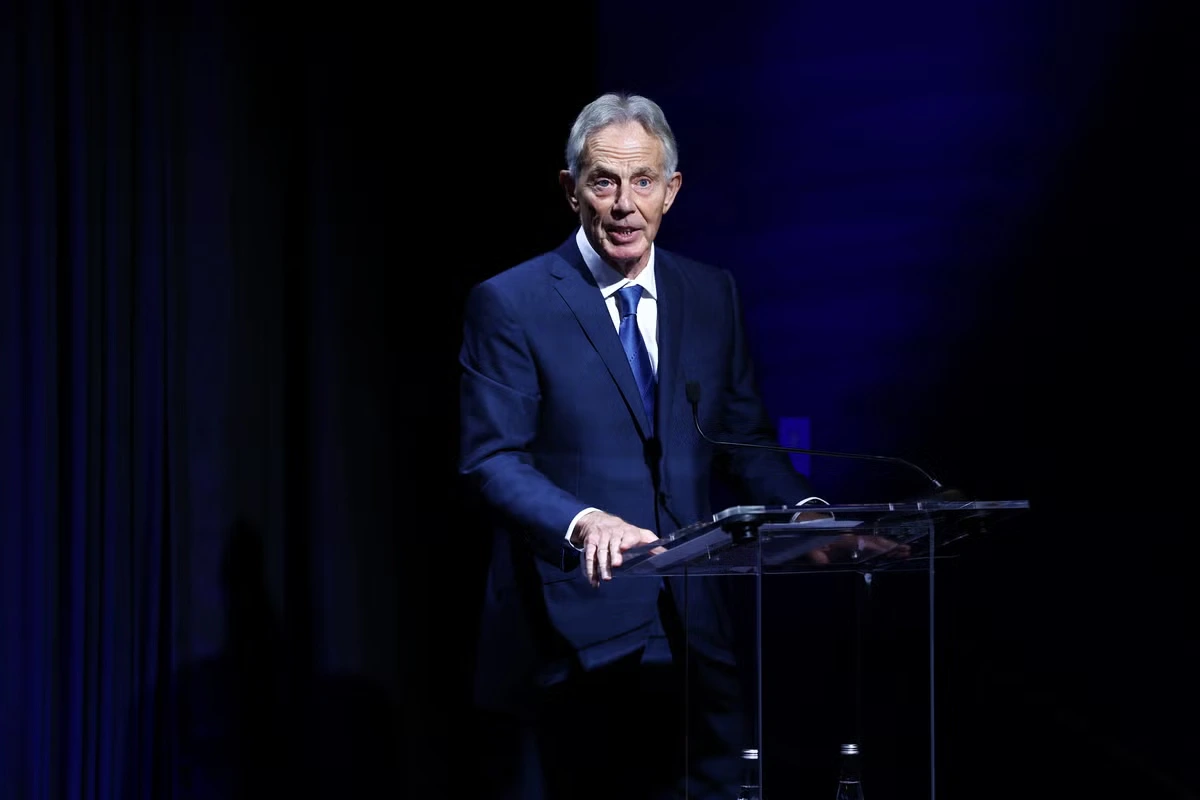
But, in politics, things can change quickly, as today’s dramatic intervention by Sir Tony Blair has shown.
In little more than two years since Labour won that historic landslide, and with the removal of the two authors of those red lines – Starmer and McSweeney – the path to rejoining the EU is opening up before us and gaining a sense of long-term inevitability.
Ironically, the only serious obstacle to rejoining may be the European Union itself, especially as the two parties of Brexit – Nigel Farage’s Reform and the Tories – continue to eat each other alive in the polls.
When The Independent launched the “Europe: The Way Back” campaign earlier this year, the aim was to help galvanise the voices calling for a reversal of Brexit and present the growing evidence of the harm that leaving the EU has done to the UK.
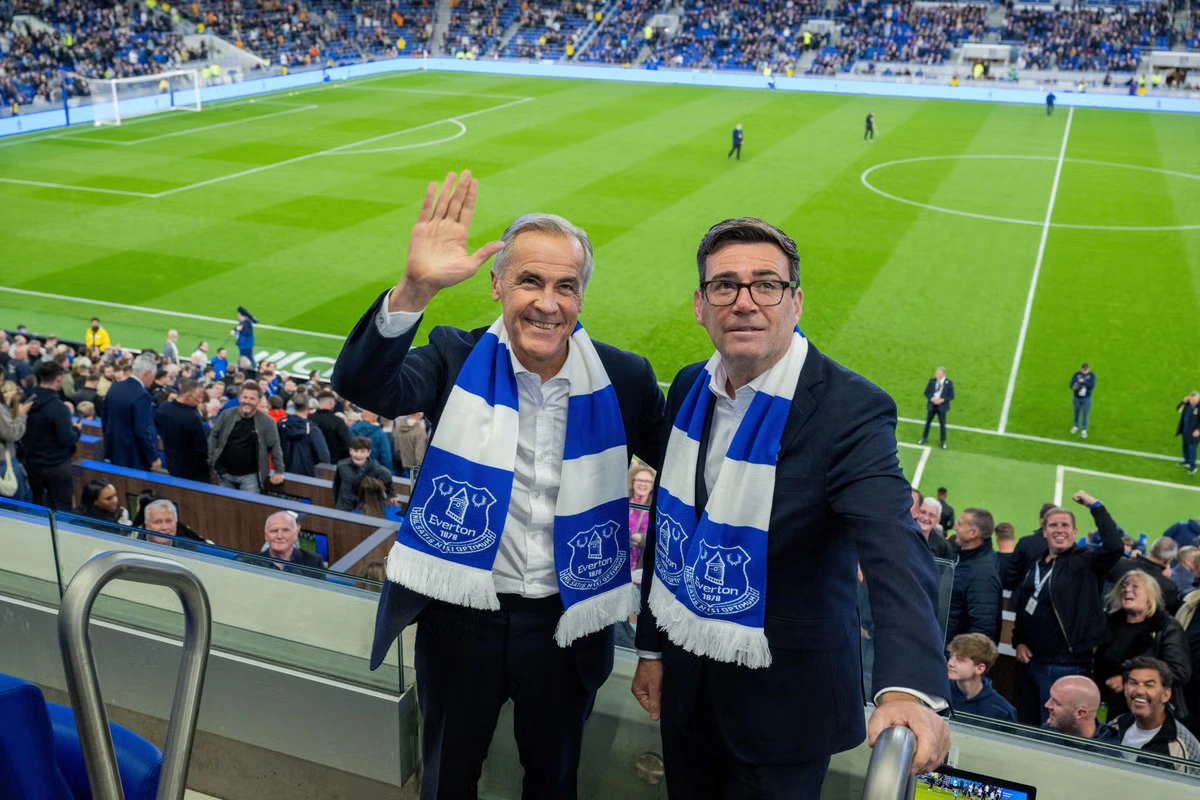
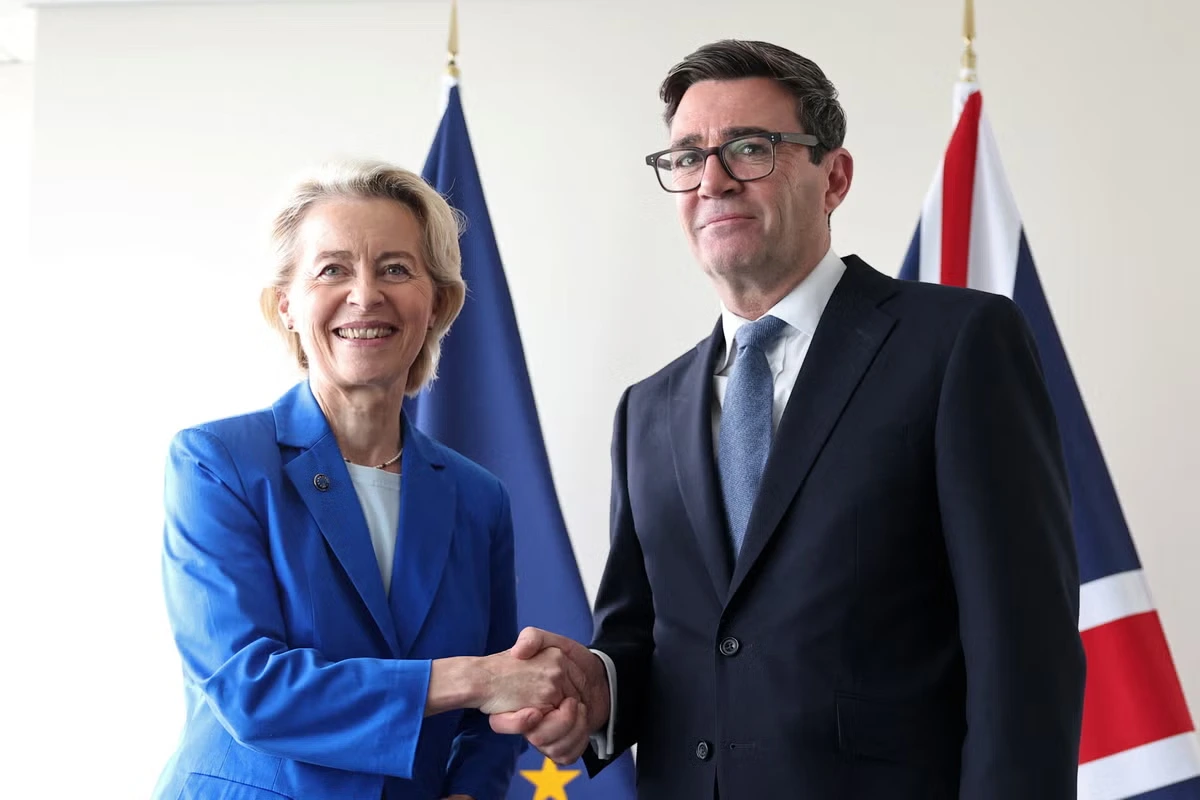
Now, in a matter of 48 hours, we have had the new prime minister tell The Independent on his way to New York for the United Nations General Assembly that he could be open to Labour having a rejoin pledge in its next election manifesto.
We’ve also had Sir Tony and the Tony Blair Institute’s report calling for the red lines to be immediately scrapped – and for rejoining to be part of Mr Burnham’s 10-year plan for Britain.
It’s clear that momentum is building.
Significantly, pro-EU voices who had been cowed by the Brexit debate are now willing to speak out boldly again.
And no wonder when you see the economic harm being done by Brexit.
The Institute of Public Policy Research (IPPR) report showing that £6.5bn a year is being lost because of the failure to have a mutual recognition agreement with the EU is shocking.
That piece of research followed findings by Logistics UK, which represents British freight, that £11.7bn a year in exports had been lost overall because of Brexit.
Another former PM Sir John Major, who put aside party differences and campaigned with Sir Tony during the 2016 referendum, also told The Independent earlier this year that Mr Burnham needs to make rejoining the single market in the next five years a priority.
Meanwhile, Brexiteers no longer want to talk about the benefits of Brexit.
Mr Farage is much keener to discuss an immigration crisis which his Brexit helped to create. And Kemi Badenoch wants to focus on leaving the European Convention of Human Rights (ECHR).
Their unwillingness to discuss Brexit is perhaps explained by the polling done for Best for Britain which showed only four constituencies in the UK actually still support Brexit.
It is now clear that, far from going away, Brexit is set to become one of the defining issues of the next election.
Before becoming prime minister, Mr Burnham said he wanted to rejoin but became more nervous about the issue when he stood as an MP for the Leave-supporting constituency of Makerfield.
The way he routed Reform in that by-election will perhaps give him the confidence to put it in the next manifesto. But, even if he doesn’t, it now seems highly unlikely he will be able to avoid the issue.
The only question mark which remains is the attitude of the EU. Sir Tony and his thinktank argue it has to reform before the UK can rejoin, but there are still doubts about its appetite to do that.
More importantly is whether the EU wants the UK back or not. Britain needs to show it can be of economic and defence benefit – at the very minimum – to get another look.
The EU must also resist the urge to attempt to impose punitive conditions which Brexiteers could use against rejoin in a future referendum.
There is still a long way to go before rejoining becomes a reality – and many issues to be resolved on the way.
But, with courage, the opportunity is there on both sides.